Scope
complex liability investigations
Some Denver crash claims become difficult not because the injuries are unclear, but because liability is contested from the start. A rideshare driver may be logged into an app, a delivery truck may be operated by a contractor, or several drivers may each claim someone else caused the impact. In those cases, the value of fast investigation increases immediately.
People dealing with that kind of case often turn to The Advocates Colorado attorneys for Denver crash liability and full compensation work so the investigation starts before digital records disappear. A strong legal plan can secure photos, app data, scene measurements, witness statements, and policy information before the defense shapes the narrative for everyone else.
Complicated crashes reward fast investigation. Waiting often helps the defense more than the injured person.
complex liability investigations
rideshare crashes, delivery van collisions, employer vehicle wrecks, and multi-vehicle chain reactions
fractures, traumatic brain injury symptoms, surgical cases, and long rehabilitation timelines
fault-shifting strategies that try to spread blame until the injured person accepts less than the claim is worth
Denver crash cases are rarely about one isolated medical appointment or one disputed repair estimate. They are about how a collision reshapes normal life, what proof exists to show that change, and whether the injured person has enough support to present the full picture before the insurer settles on a discounting narrative. This guide centers on complex liability investigations, with practical detail tied to Colorado liability work, damages proof, and the way serious motor vehicle claims are developed over time.
The Advocates Colorado operates from 5460 Quebec Street Suite 210, Greenwood Village, CO 80111, and the contact number listed for the office is (303) 731-6012. Local representation matters because roadway patterns, provider records, police documentation habits, and common defense themes all influence how a Denver-area car accident case is prepared and valued.
Impairment issues often expand the investigation because bar receipts, criminal files, toxicology records, and punitive-damages questions can all matter.
Source: Colorado Department of Transportation winter DUI enforcement release, January 2026 | https://www.codot.gov/news/2026/january/winter-dui-enforcement-period-jan8
That volume matters because claim delays are common when adjusters and defense teams are working through heavy case inventories.
Source: Anderson Hemmat, Denver Car Accident Statistics | https://andersonhemmat.com/personal-injury-resources/colorado-personal-injury-blog/denver-car-accident-statistics-dangerous-roads
Fatality trends show why strong liability work and full damages analysis are not abstract legal exercises, they are part of serious community risk.
Source: Colorado Department of Transportation news release, January 2026 | https://www.codot.gov/news/2026/january/increased-traffic-deaths-2025
Rear-end cases can still become disputed when the insurer argues low impact, delayed symptoms, or a chain-reaction event.
Source: Anderson Hemmat, Denver Car Accident Statistics | https://andersonhemmat.com/personal-injury-resources/colorado-personal-injury-blog/denver-car-accident-statistics-dangerous-roads
Speed changes stopping distance, crush severity, treatment needs, and the way biomechanical defenses are argued in settlement talks.
Source: NHTSA, Speeding | https://www.nhtsa.gov/risky-driving/speeding
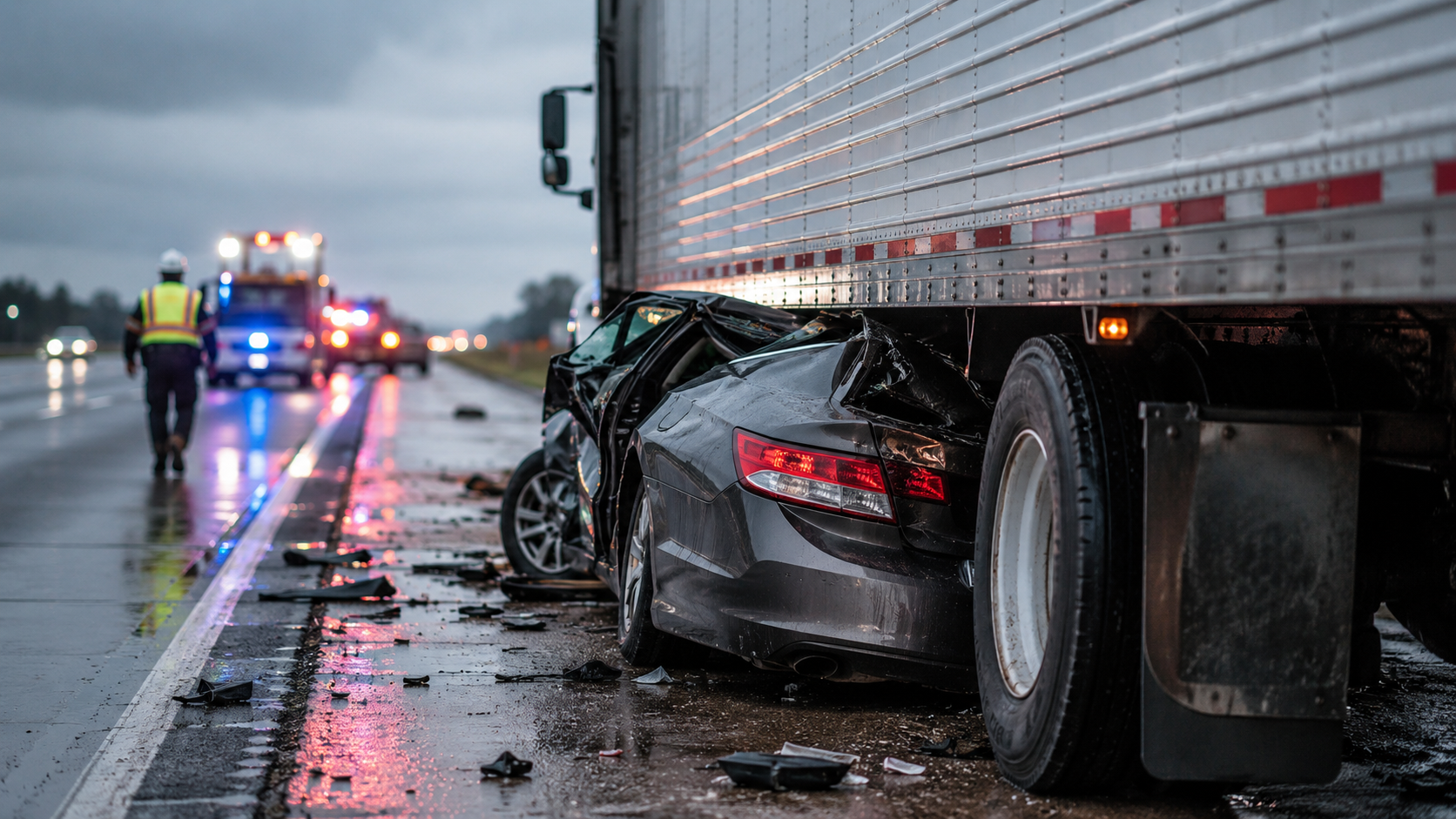
Evidence is strongest when it is gathered before everyone has time to simplify the story. Scene photographs, witness names, police information, repair estimates, body-shop images, dash-cam files, and phone metadata can all support or undermine a liability argument later. On corridors like Aurora Parkway or East Colfax, even a small difference in lane placement or stopping distance can matter when the insurer starts constructing alternative versions of the event.
The most persuasive evidence chain is organized, not merely saved. That means keeping original photos, noting the order they were taken, preserving screenshots of app-based rides or delivery status when relevant, and collecting employer or client communications that show how the crash interrupted work. In rideshare crashes, delivery van collisions, employer vehicle wrecks, and multi-vehicle chain reactions, a defense team may point to partial information and claim it tells the whole story. A better-organized file makes that tactic much less effective.
Witness development matters too. Names scribbled on paper are helpful, but timely follow-up is better because recollections fade quickly. A lawyer can often compare witness observations against physical damage, roadway conditions, and medical timing to identify where the defense narrative stops matching the record. That level of organization is what turns scattered proof into case leverage.
The first seventy-two hours after a wreck often decide whether the claim starts from clarity or confusion. That is especially true in Denver, where Peoria Street and Interstate 225 collisions can involve hurried witnesses, rapid towing decisions, and traffic-camera questions that do not stay accessible forever. People in people facing complicated fault stories, multiple insurance policies, or a company vehicle somewhere in the collision sequence are usually trying to solve practical problems first, yet the legal file is already taking shape through photos, dispatch records, vehicle position evidence, and the first description of how the impact happened.
A careful first-day approach does not require dramatic behavior. It means making sure the crash is reported accurately, preserving photographs of vehicle damage and the surrounding roadway, identifying any businesses or homes with cameras nearby, and writing down symptoms before memory blurs them into general discomfort. In rideshare crashes, delivery van collisions, employer vehicle wrecks, and multi-vehicle chain reactions, those basic details can later answer disputes about speed, lane position, impact angle, and whether the crash sequence was as straightforward as the defense claims.
It also helps to think beyond the scene itself. Towing receipts, rental delays, rides to appointments, medication purchases, and missed family obligations can become part of the damages picture when they are documented in real time. A lawyer reviewing the file later should be able to see not only how the crash occurred, but also how quickly it started disrupting work, transportation, sleep, and ordinary routines.
Not every file is a clean two-car crash with one clear policy and one obvious theory of liability. Cases involving rideshare crashes, delivery van collisions, employer vehicle wrecks, and multi-vehicle chain reactions may require deeper work on app status, employer control, commercial maintenance records, or the sequence of impacts in a chain reaction. That extra complexity affects both fault analysis and the amount of insurance coverage available to resolve the claim.
The legal strategy in a complex file should move on two tracks at once. One track builds medical and damages proof so the injury story stays current. The other investigates every source of liability and coverage before records disappear. Waiting for one track to finish before starting the other can leave value on the table, especially when multiple carriers are already positioning themselves defensively.
Complex cases also reward precise language. A claimant does not need to guess who ultimately bears legal responsibility on day one. What matters is preserving the facts, protecting treatment continuity, and allowing the investigation to identify where control, negligence, and policy obligations actually sit.
Many injured people are surprised by how quickly insurance strategy shifts from concern to skepticism. Early conversations may sound cooperative, but the carrier is usually evaluating how much uncertainty it can create around fault, symptom timing, and future treatment. In this type of case, fault-shifting strategies that try to spread blame until the injured person accepts less than the claim is worth can shape the negotiation long before any meaningful number is discussed.
A calm communication plan protects the claim. That usually means keeping contact factual, avoiding speculation about speed or blame, and making sure treatment updates are grounded in records rather than guesses. When the insurer asks for expansive authorizations or repeated retellings of the same event, it is often testing whether the file will stay consistent under pressure. Organized legal representation helps keep the case focused on documented facts instead of conversational traps.
Insurance pressure also shows up through delay. Adjusters may request another review, another statement, another billing update, or another round of records while offering little clarity about valuation. That slow drift can wear people down financially and emotionally. A stronger claim strategy keeps deadlines moving, preserves leverage, and makes it harder for delay alone to become the carrier's biggest advantage.
Medical care gives an injury claim structure. When records move logically from urgent complaints to follow-up evaluation, then into therapy, imaging, or specialist referrals as needed, the file becomes harder to dismiss. That matters for fractures, traumatic brain injury symptoms, surgical cases, and long rehabilitation timelines, because many crash injuries are not defined by a single dramatic scan on day one. They are defined by persistence, progression, and the way symptoms limit movement, sleep, concentration, and household tasks over time.
Colorado insurers often study the treatment timeline for gaps, not because every gap defeats a case, but because any pause can be used to argue the problem resolved quickly. People who miss appointments for understandable reasons, such as work demands, transportation trouble, child care conflicts, or waiting on referrals, should make sure those realities are reflected somewhere in the record. The stronger file shows why care unfolded as it did instead of leaving silence for the carrier to interpret against the claimant.
A good treatment record also connects diagnosis to function. Providers may note lifting limits, restrictions on sitting or driving, changes in medication, disrupted sleep, or difficulty returning to exercise and caregiving. When those facts are preserved consistently, a demand package can explain why the injury deserves full compensation even if the injured person kept trying to push through the pain.
Damages analysis should begin well before settlement discussions. The obvious numbers, emergency bills, imaging charges, prescriptions, and repair expenses, are only the starting point. Serious claims often involve lost wages, reduced overtime, future therapy, replacement services at home, mileage to treatment, and the daily cost of living with pain or physical limits. For people dealing with fractures, traumatic brain injury symptoms, surgical cases, and long rehabilitation timelines, the largest losses may emerge gradually rather than all at once.
A persuasive damages story is specific. It explains how the collision changed work output, sleep quality, driving comfort, travel plans, exercise, child care, and the ability to move through an ordinary day without constant calculation. Adjusters are more likely to discount vague descriptions of discomfort than a clear record showing when the injured person stopped lifting, missed family activities, cut back hours, or needed help with tasks they once handled independently.
Future loss deserves careful attention too. If providers are discussing injections, surgery, long-term therapy, permanent impairment, or durable work restrictions, those issues should be reflected in the claim before final numbers are discussed. A rushed settlement can leave the injured person carrying costs that should have been part of the case value from the beginning.
Even when everyone hopes the claim settles, timing rules shape the negotiation. Colorado filing deadlines, notice issues, and the time required to gather records all affect how much leverage the injured person has once talks become serious. A case that looks simple in the first month can become much more demanding after treatment continues, new symptoms emerge, or additional defendants enter the picture.
Lawyers watch the clock not because every matter belongs in trial, but because good settlement work depends on readiness. If the defense knows the injured person is disorganized or close to a deadline without a filing plan, the bargaining dynamic changes immediately. When the timeline is under control, the claim can be evaluated on evidence and damages instead of panic.
This is also why long quiet periods can be misleading. A file may look inactive from the outside while records are being gathered, bills reconciled, witness issues reviewed, or expert opinions developed. Smart timing is not inactivity, it is controlled preparation that protects options.
The right legal team should reduce confusion, not add to it. Injured people need to understand what evidence still matters, what treatment gaps need explanation, how damages are being tracked, and when the claim is actually ready for evaluation. That is especially important in a complex liability investigations case, where small details can change how the carrier reads the entire file.
Good representation is practical. It helps gather records, identify missing proof, organize wage-loss documents, monitor deadlines, and translate medical developments into a claim narrative that an adjuster, mediator, or jury can follow. The goal is not simply to pass paperwork back and forth, but to make the file stronger each month the case is active.
People often know their case improved when conversations become clearer. They understand which facts matter, why certain records are being requested, how future treatment affects value, and what the realistic next steps are. That clarity is one of the biggest advantages of experienced counsel in a serious Denver crash claim.
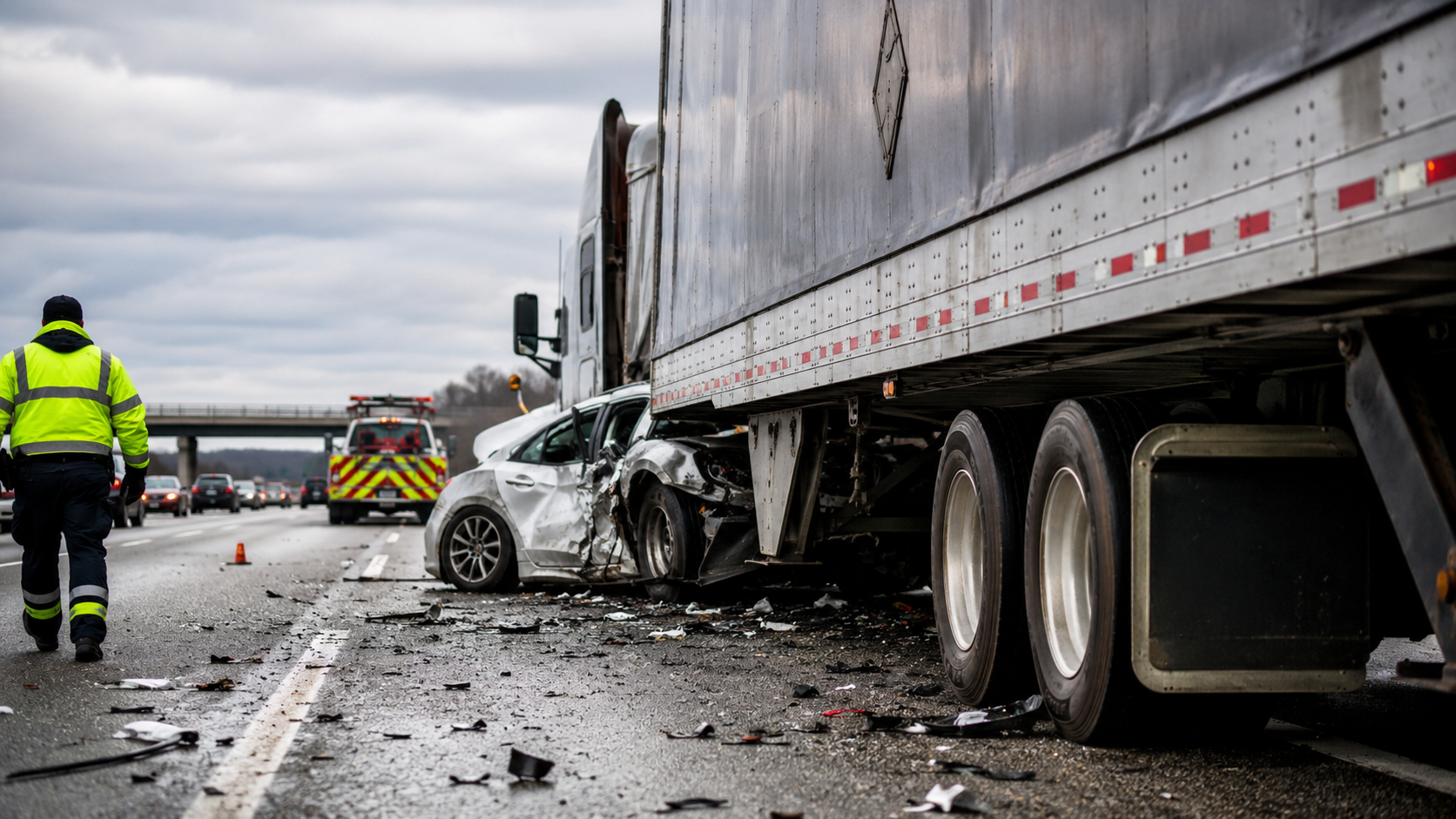
Save scene photos, witness names, claim numbers, and repair documents in one place instead of across text threads and email chains.
Track every appointment, mileage cost, prescription expense, and work absence as it happens, not weeks later from memory.
Keep a short symptom log describing sleep, driving discomfort, lifting limits, headaches, and the activities the injury interrupted.
Preserve communication from insurers and employers so the case file reflects both financial pressure and changing work expectations.
Review the treatment timeline for unexplained gaps and gather clarification from providers when the record needs added context.
Approach settlement timing carefully so future care, impairment, and long-term disruption are evaluated before final numbers are discussed.
There may be app-status questions, employer relationships, separate policies, and vehicle-use records that do not exist in a basic two-car claim. Those details can decide which insurer is responsible and how much coverage is available.
That is exactly when early investigation matters. Scene evidence, witness statements, download data, traffic light sequencing, and vehicle damage patterns can help sort out the order of events before the defense settles on a version that leaves the injured person carrying unfair blame.
Yes. In many complex files, medical and damages proof continues to build while liability issues are being investigated. A strong legal team advances both tracks at the same time so the case does not stall unnecessarily.
The Advocates Colorado
5460 Quebec Street Suite 210, Greenwood Village, CO 80111
(303) 731-6012